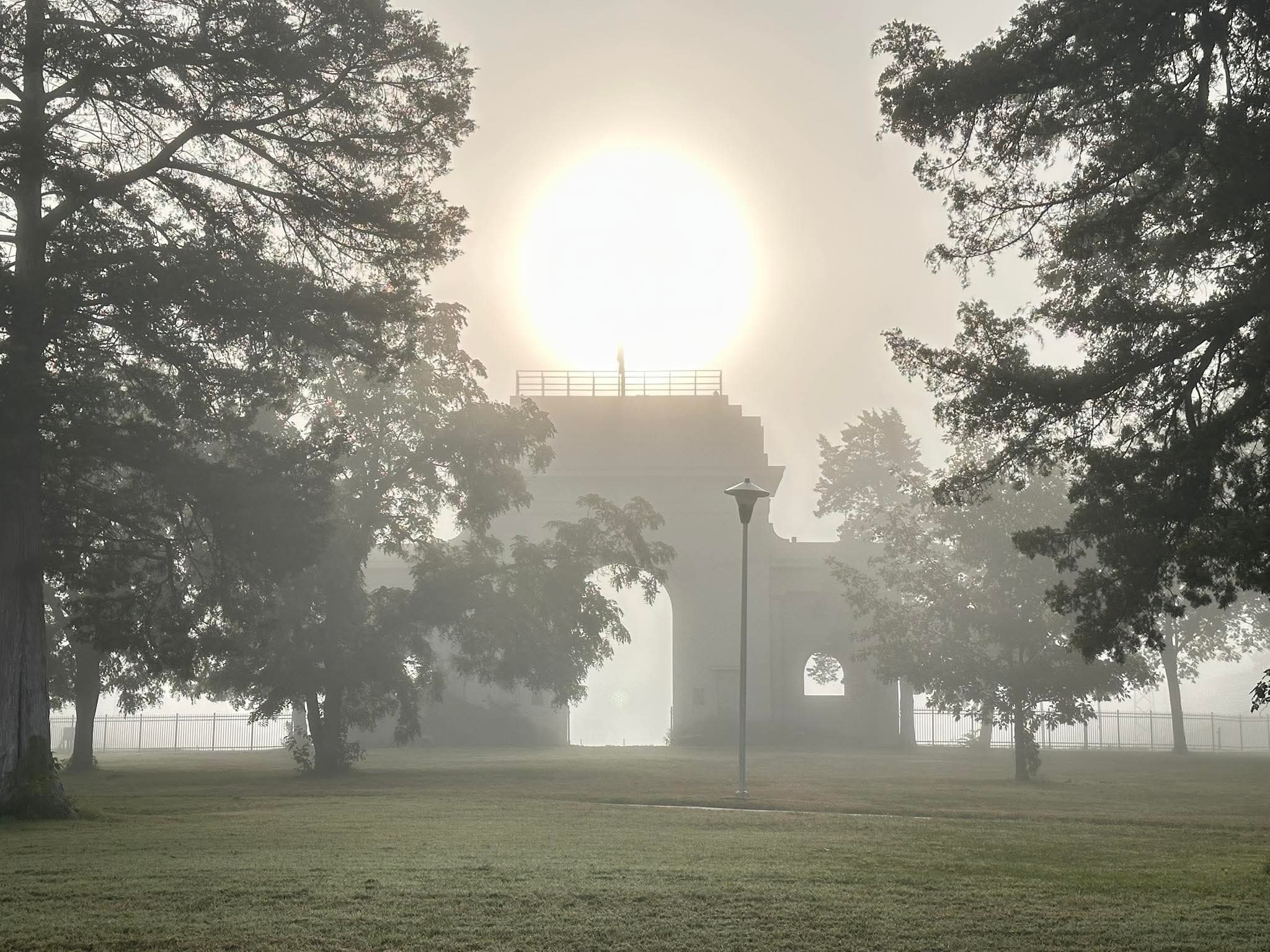
Silence—whether through ignorance, indifference, or fear—is injustice that has consequences as documented in the Higher Learning Commission (HLC) sanction “Accredited on Notice” placed against Haskell Indian Nations University.
Public-Disclosure-Notice-Haskell-Indian-Nations-University.pdf
Haskell’s ward-guardian governance structure ensures self-preservation, and their conflict-of-interest federal trust mismanagement responsibility accountability is shielded by sovereignty. “The federal government turns a blind eye to the mismanagement of trust responsibility at Haskell”. Representative Tracey Mann (R-KAN).
The crisis at Haskell Indian Nations University has reached a point where voluntary disclosure is no longer credible, sufficient, or safe. For more than a year the Department of the Interior (DOI), Bureau of Indian Affairs (BIA) and Bureau of Indian Education (BIE) have withheld critical information from the Senate Committee on Indian Affairs (SCIA) and Congress regarding the Higher Learning Commission (HLC) sanction placed against Haskell. The sanction itself documented unsafe, unhealthy environmental conditions; deferred maintenance failures, and systemic governance breakdowns that threaten the future of a federal Indian trust university.

The HLC’s sanction placed against Haskell is relevant evidence of failed deferred maintenance and ineffective resource planning of Haskell’s sustainability to provide a safe and healthy environment for the academic mission of Haskell.
First Nations Journal’s position is clear: Congress must exercise subpoena authority to compel full disclosure under oath. Anything less leaves Indian beneficiaries in the dark and preserves the federal trustee’s ability to manage Haskell without accountability.
Subpoena authority is not merely a procedural tool. In the Haskell contest, it is a shield.
The Haskell Faculty Senate has publicly stated that Haskell Indian beneficiaries—including faculty, staff, and students—are prohibited from making public comments about Haskell policies unless they first obtain permission from the Haskell president. This is not a minor administrative rule; it is a structural gag order.
When beneficiaries cannot speak without fear of retaliation, whistleblower protection becomes inseparable from subpoena authority.
A subpoena:
- Compels testimony under oath
- Protect witnesses from retaliation
- Creates a formal record Congress can act upon
- Ensures that Indian beneficiaries can speak truthfully without fear of administrative
- Punishment
In FNJ’s view, subpoena authority is the only mechanism that can pierce the silence imposed by the trustee structure.
Silence is not neutrality, it is complicity. The DOI’s refusal to acknowledge or respond to the Haskell Faculty Senate and the Haskell Board of Regents letters is not an oversight. It is practice. It is a pattern. And it is complicity.
When the federal trustee ignores documented concerns about:
- Unsafe buildings
- Environmental hazards
- Accreditation risks
- Violations of academic freedom
It is not simply failing to communicate—it is actively perpetuating harm.
The Haskell trustee’s silence keeps Congress uninformed, prevents SCIA from exercising oversight, and leaves Indian beneficiaries without recourse. FNJ has repeatedly documented that Indian pay the price when federal trustees choose silence over accountability.
https://www.govtrack.us/congress/committees/SLIA
Congressional oversight depends on evidence. Evidence depends on disclosure. Disclosure depends on safety.
Voluntary cooperation from DOI/BIA/BIE has not occurred. Voluntary production of records has not occurred. Voluntary transparency has not occurred.
Subpoenas would compel:
- Full production of environmental and deferred maintenance records,
- Internal communications related to the HLC sanction,
- Trustee decision-making documents,
- Budget allocations and withheld data
- Testimony from federal officials responsible for Haskell’s condition
- Testimony from Haskell faculty, staff and students who cannot safely speak without
- Protection
This is the only path to establishing a factual record that Congress can use to enforce fiduciary trust responsibility.
The federal trustee cannot investigate itself. The guardian-ward structure of federal Indian policy ensures that the trustee holds all authority while Indian beneficiaries hold none and are defenseless. This structure makes internal investigations meaningless. A trustee cannot investigate its own failures and declare itself accountable.
Only Congress—through subpoena authority—can break this cycle.
Subpoena authority:
- Shifts power from the trustee to the beneficiaries
- Forces disclosure of withheld information
- Creates enforceable obligations
- Protects Indian voices that have been silenced by federal administrative control
Haskell has opened the 2026-2027 academic year under conditions the HLC described as unsafe and unhealthy. These conditions are not abstract; they are lived realities for Indian students who rely on Haskell as a federal trust university.
Without subpoena authority:
- Congress remains uninformed
- SCIA cannot act
- Beneficiaries remain silenced
- The trustee continues to operate without accountability
FNJ’s resolve is firm: Subpoena authority is long overdue, and it is the only mechanism capable of protecting the truth necessary to protect Haskell Indian beneficiaries and enforce federal trust responsibility.
First Nations Journal stands with the Haskell Faculty Senate, the Haskell Board of Regents, and all Indian beneficiaries who have been denied a safe avenue to speak. Subpoena authority is not an escalation—it is a restoration of rights. It is the only path to transparency, accountability, and the protection of Indian voices that have been silenced for too long.
The Haskell “severely dysfunctional” situation described by the U S House congressional hearings and the HLC sanction “Accredited on Notice” has been in the making for decades.
FNJ requests a Call for Action to Congress.
FIRST NATIONS JOURNAL
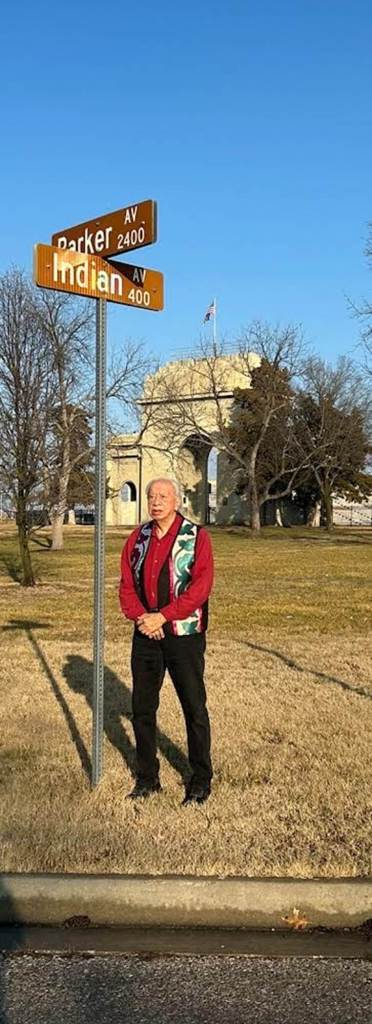
M’gwitch, 🪶
Steve Cadue
Kickapoo
Leave a Reply