First Nations Journal writes that Indian leaders are warning that federal support is wavering at the very moment when the United States trust, and treaty obligations require stability and strength. Recent media reports captured this national anxiety—and FNJ asserts that the federal retreat is not abstract. It is not theoretical. It has a target.
Tribal leaders call for sovereignty as federal support wavers – ICT
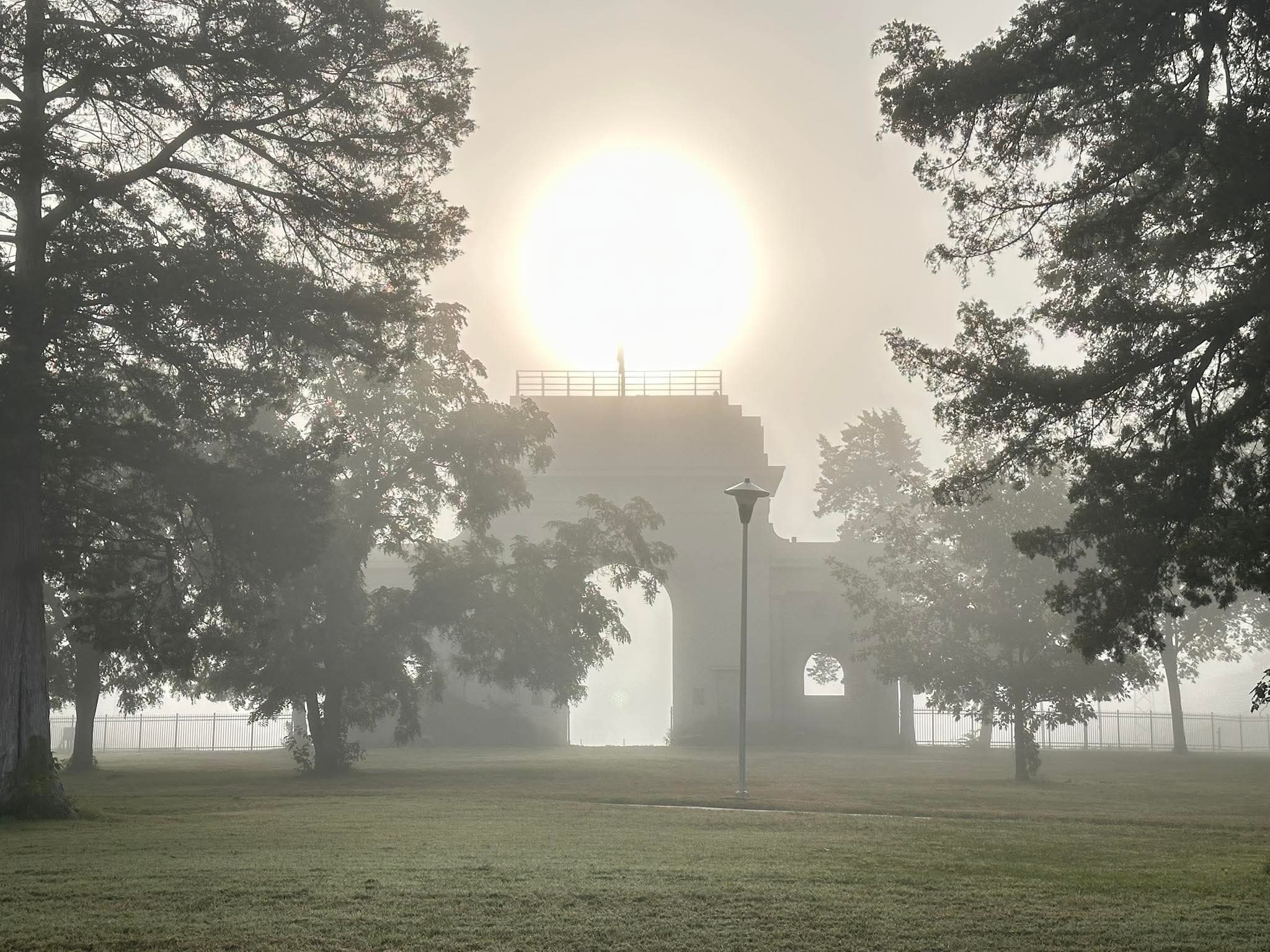
That target is Haskell Indian Nations University. The national pattern is real; Haskell is the proof. The media reflects what Indian leaders are saying: federal agencies are drifting, hesitating or retreating from obligations that are not discretionary.
The clearest, most documented evidence of this federal retreat is the Higher Learning Commission’s (HLC) sanction placing Haskel “Accredited on Notice”. This is not conjecture, it is not speculation and it is not political rhetoric. The HLC documentation, issued under the authority of federal law, after years of Department of Interior (DOI), Bureau of Indian Affairs (BIA), Bureau of Indian Education (BIE) fiduciary trust mismanagement.
HLC-Action-Letter-Haskell-Indian-Nations-University-7.8.25.pdf
The DOI/BIA/BIE trustees do not deny the HLC findings. They cannot deny them. The HLC sanction letter stands as the official record of federal failure. When the DOI Haskell trustee does not deny failure and slashes the BIE FY2027 budget by one-third to a chronologically underfunded budget, the HLC decision to withdraw accreditation is inevitable. The HLC core standard of sustainability cannot be met.
All Indian roads lead to Haskell and that is why it is being dismantled. The DOI stealthily employs the HLC sanction loss of accreditation to dismantle Haskell and avoid the political backlash of terminating Indian trust and treaty responsibility and obligation. Haskell is not simply another tribal institution. It is the most common thread binding of all 575 federally recognized tribes. It is the only national Indian university created, funded, and held in trust by the United States for the education of Indian people. To weaken Haskell is to weaken the entire architecture of federal trust responsibility.

Eliminate Haskell and you create the springboard to dismantle the whole of federal trust responsibility. The HLC sanction matters far beyond Lawrence, Kansas. It is the national test case. It is the federal government’s clearest breach of trustee duties to Indian beneficiaries. It is legal evidence of federal abandonment, and the DOI remains silent in complicity.
Haskell’s loss of accreditation crisis is not a crisis of sovereignty. It is a crisis of federal accountability. Trust responsibility is not symbolic. It is a daily operational duty—and the Higher Learning Commission has documented that the United States is failing to meet it.
Indian Country is not asking for favors. Tribal nations are asserting rights and FNJ will continue to document:
- Where federal agencies meet or fail their legal obligations
- How tribal nations are asserting sovereignty despite federal inconsistency
- Why Haskel is the central battleground for the future of trust responsibility
As the Leader and writer for the First Nations Journal, and as a member of the federally recognized Kickapoo Nation, I assert Indian beneficiary Standing to call attention to the Department of the Interior’s breach of its trust and treaty obligations in the administration of the federal Haskell Indian Nations University. In light of the Higher Learning Commission’s continuing sanction, the unresolved governance failures within DOI/BIA/BIE, and the imminent risk to Haskell’s accreditation and student welfare, I hereby submit a former request for the Senate Committee on Indian Affairs to convene an Emergency Oversight Hearing. Such a hearing is necessary to determine the causes of federal noncompliance, to compel corrective action, and to ensure that Congress fulfills the constitutional and statutory responsibilities to protect Indian education.
I assert my Indian beneficiary rights to petition Congress to exercise its oversight authority over federal trust responsibilities. This includes requesting a hearing on federal mismanagement of Haskell. As an Indian beneficiary I have Standing to request an SCIA hearing. I am a direct beneficiary of federal Indian education programs. Haskell exists solely because of federal trust and treaty obligations to Indian people. Congress itself recognizes this in the Haskell Indian Nations University Improvement Act, which states that Haskell fulfills the treaty and trust responsibility of the Federal Government to Indians. As an enrolled Kickapoo tribal member, I am part of the beneficiary class Congress is obligated to protect.
The DOI/BIA/BIE fiduciary trustee’s management rejects support and resource commitment to the academic mission of Haskell and prohibits academic freedom.
Public Law 93-638-Indian Self-Determination and Education Assistance Act, 1975,
Maximizes Indian beneficiary participation in government and education for Indian people. I am petitioning Congress in my self-determination request for an emergency hearing to be convened by SCIA.
My Standing to assert my Indian beneficiary rights are substantiated and supported by the Haskell Board of Regents May 1, 2026, letter to the Faculty Senate Haskell Indian Nations University and the Resolution No. 2025-001 adopted by the Four Kansas tribes: Kickapoo Tribe in Kansas, Prairie Band Potawatomi Nation, Sac & Fox Nation of Missouri in Kansas and Nebraska and Iowa Tribe of Kansas and Nebraska.
BOR Responses to Faculty Senate VONC (1).pdf
Congressional oversight is triggered by beneficiary complaints. Congressional committees—especially SCIA—routinely open hearings based on:
- Beneficiary petitions
- Tribal resolutions
- Whistleblower reports
- Evidence of federal mismanagement
The federal trust doctrine recognizes Indian beneficiaries as wards to the federal guardian—meaning Congress has a duty to hear concerns about federal mismanagement. Congress has repeatedly affirmed that Haskell exists to fulfill the government’s trust obligations to Indian people. When those obligations are violated, Indian beneficiaries have both the right and the duty to call up Congress to Act.
First Nations Jornal will continue to speak with clarity and purpose—because the trust responsibility is not optional. It is the Law of the Land. I look forward to the United States fulfilling its fiduciary trust responsibility and treaty obligation to Indian people.
It is a Congress Call to Action.
FIRST NATIONS JOURNAL

M’gwitch 🪶
Steve Cadue
Kickapoo
Leave a Reply