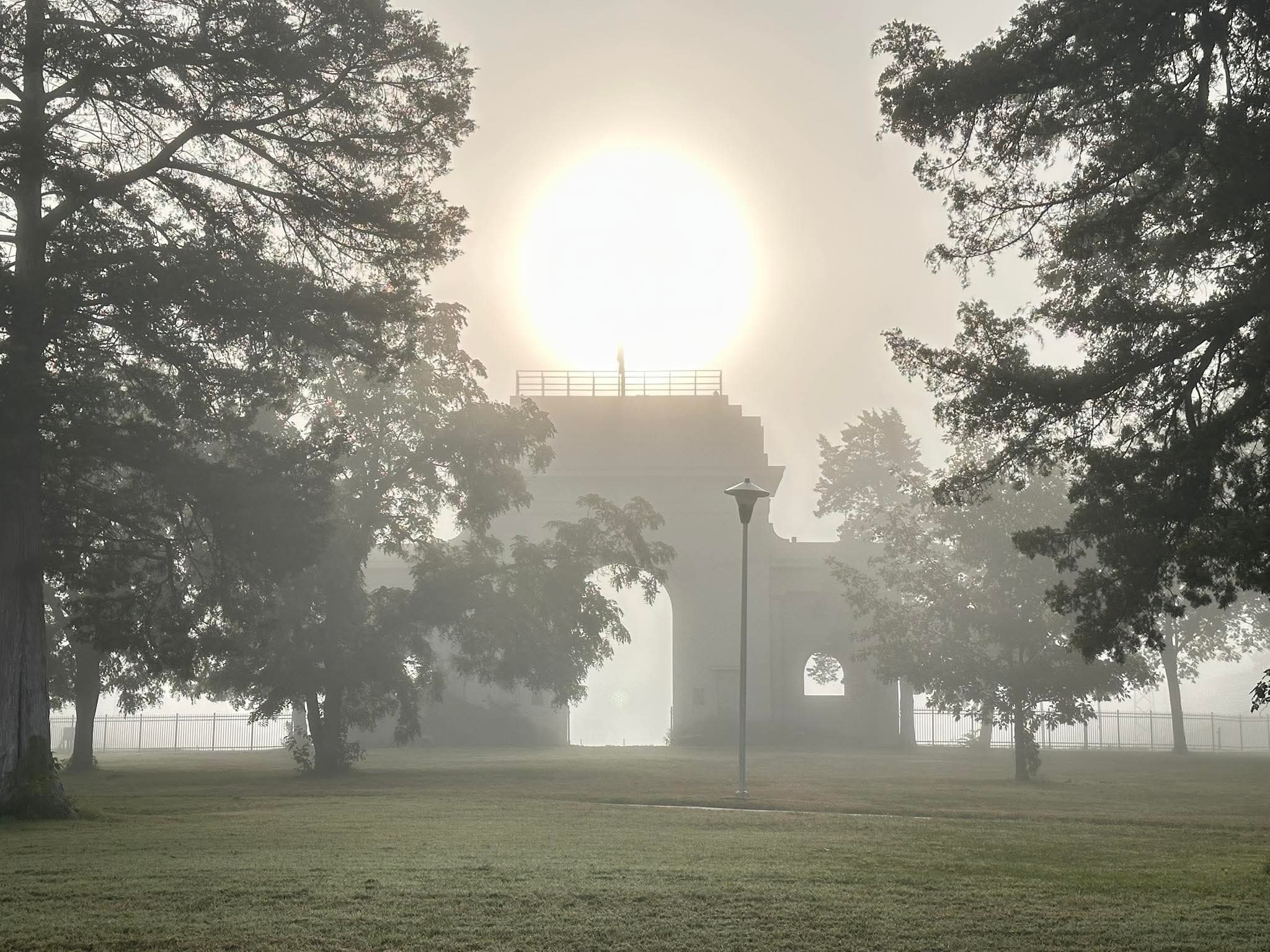
The “Gathering of Nations” in Albuquerque officially closed on April 25, 2026, with no plan for continuation, a cultural, Indian treaty education and economic space have opened at Haskell Indian Nations University (HINU). With the Gathering of Nations closing, Haskell has the opportunity and purpose to rise as the geographic and cultural center of Indian Country, offering a national gathering that is larger in purpose, deeper in history and fully aligned with Haskell academic mission.
First Nations Journal argues that Haskell Indian Nations University is the rightful place to carry forward a national gathering—not as a copy of the past, but as a transformation rooted in authentic narrative, academic purpose and long-term preservation. FNJ’s Preservation Plan rooted in Indian treaty obligation begins with a simple truth: The Haskell Arch and Memorial Stadium are not relics—they are living testaments to Indian achievement, sacrifice, and sovereignty. Built entirely by Indian nations to honor 415 Haskell warriors of World War 1 these structures embody the principle that guides every FNJ initiative: Indian control and Indian authority over Indian history. Indian control, Indian authority is embodied in the transformative Haskell Indian Nations University Improvement Act introduced in Congress.
The FNJ plan positions the Arch and Stadium as the physical symbolic center, the catalyst of a new Haskell-led cultural economy. This strategy integrates the authentic history of the Arch and Stadium directly into Haskell’s academic mission through proposed degree in entrepreneurship, and modern media. By embedding cultural narrative into curriculum, Haskell students become the interpreters, researchers and designers of a national gathering is academically grounded and tribal governed. Revenue generated from powwows, cultural programming, conferences, and academic partnerships becomes the sustainable funding stream for preservation—an Indigenous model where culture, education, and economic development reinforce one another.

Under this plan, the preservation of the Arch and Stadium is not a construction project, it is the next step in Haskell’s transformation. FNJ asserts that the restoration musts be governed by Indian authority, guided by the FNJ doctrine of genuine Indian Self-Determination. Beginning with the Indian people who built these places, and whose ancestors are honored by them, must lead their future. With the Gathering of Nations closing, Haskell has the opportunity and purpose to rise as the geographic and cultural center of Indian Country, offering a national gathering that is larger in purpose, deeper in history and fully aligned with Haskell’s academic mission. The Arch and Stadium become the anchor –not only for preservation, but for a new generation of Indigenous leadership.
First Nations Journal Preservation Plan rooted in Indian treaty obligation begins with a simple truth: The Haskell Arch and Memorial stadium are not relics—they are living testaments to Indian achievement, sacrifice, and sovereignty. Built entirely by Indian nations to honor 415 Haskell warriors of World War 1 these structures embody the principle that guides every FNJ initiative: Indian control and Indian authority over Indian history. As the “Gathering of Nations” in Albuquerque officially closed on April 25, 2026, with no plan for continuation, a cultural, Indian treaty education and economic space have opened. First Nation Journal argues that Haskell Indian Nations University (HINU) is the rightful place to carry forward a national gathering—not as a copy of the past, but as a transformation rooted in authentic narrative, academic purpose and long-term preservation.
The extract from the Lawrence Journal World, February 19, 1925, highlights the First Nations Journal Preservation plan.
The FNJ plan positions the Arch and Stadium as the physical symbolic center, the catalyst of a new Haskell-led cultural economy. This strategy integrates the authentic history of the Arch and Stadium directly into Haskell’s academic mission through proposed degree in Cultural Marketing or a similar program that unites Indigenous history, tourism, entrepreneurship, and modern media. By embedding cultural narrative into curriculum, Haskell students become the interpreters, researchers and designers of a national gathering that is academically grounded and tribally governed. Revenue generated from powwows, cultural programming, conferences, and academic partnerships becomes the sustainable funding stream for full preservation—an Indigenous model where culture, education, and economic development reinforce one another. The FNJ Preservation Plan will greatly lessen the impact of the historical chronic federal underfunding of Haskell.
First Nations Journal writes to Call to Action the Haskel-Lawrence-Region-State of Kansas partnership to join in support and push for a Haskell Gathering of Nations as presented in the FNJ Preservation Plan. We all benefit. “Onward Haskell”.
In all its tradition and ceremony, First Nations Journal looks forward to the “Grand Entry of Indian Nations” through the Haskell Arch and Stadium in the upholding of Indian treaty law and obligations.
FIRST NATIONS JOURNAL

M’gwitch, 🪶
Steve Cadue
Kickapoo Nation Kansas
Leave a Reply