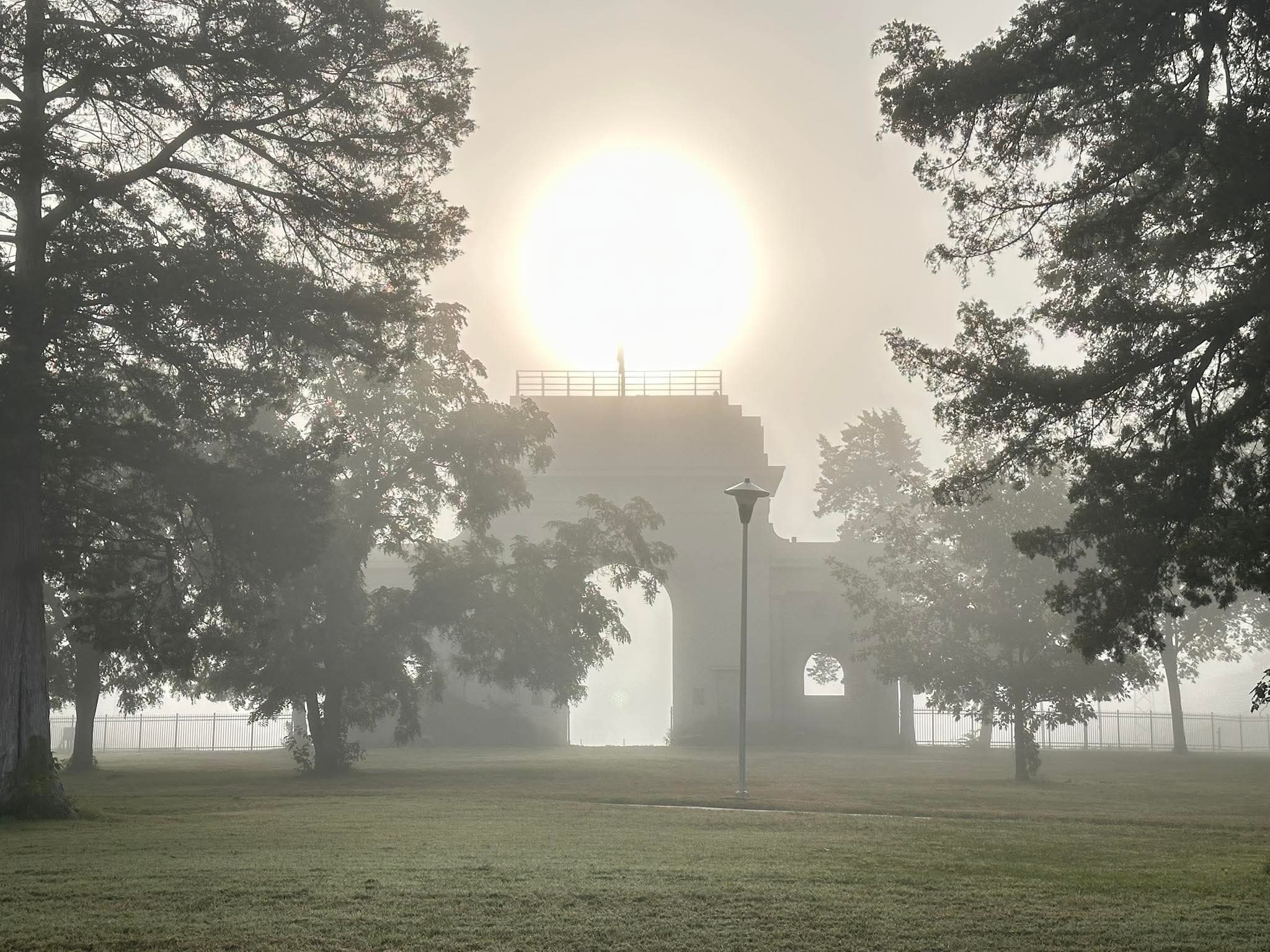
The Higher Learning Commission (HLC) on June 26, 2025, placed Haskell Indian Nations University (HINU) “Accredited on Notice” status because it determined that the institution is at risk of being out of compliance with the HLC’s Criteria for Accreditation. The loss of HLC accreditation has a direct and severe impact on federal funding for both institutions and students. Haskell is totally funded by the federal government and loss of federal funding can make financial sustainability impossible and lead to closure of Haskell.
The loss of HLC accreditation includes the following loss of federal funding:
Federal Student Aid (Title VI).
Federal Pell Grants
Federal Student Loans (subsidized and Unsubsidized)
Federal Work-Study programs
TEACH Grants
In addition, loss of accreditation causes a drop in enrolment, which further deteriorates sustainability. In summary, HLC accreditation is a critical requirement for participating in the federal student aid programs established by the Higher Education Act.
For nine months, Haskell Indian Nations University has lived under the shadow of an accreditation warning that should never have happened. The Higher Learning Commission did not place Haskell “Accredited on Notice” because of internal failure, it did so because the federal trustee—the United States government—has allowed a federally owned Indian trust institution to deteriorate past the point of plausible denial. And since June 26, 2025, silence has been louder than any official statement from the Department of the Interior, Bureau of Indian Affairs (BIA) or Bureau of Indian Education (BIE). That silence is not neutral, that silence is not accidental and that silence is the breach.

Haskell students navigate unsafe buildings of deferred maintenance, while faculty improvise around broken infrastructure, while accreditation hangs in the balance. The federal trustee has offered no public plan, no timeline, no accountability, and no acknowledgement of its own role in creating this crisis.
Haskell Mission Statement: Our mission at Haskell Indian Nations University is to build the LEADERSHIP capacity of our students by serving as the leading institution of academic EXCELLECE, CULTURAL, AND INTELLECTUAL PROMINECE, and HOLITIC education that addresses the needs of Indigenous communities.
The Haskell Indian Nations University Improvement Act and the Haskell Wetlands are inseparable. Holistic education of culturally relevant education for Indians is cited in Section 2, Findings of the Act. Indian people are promised culturally relevant education to be provided at Haskell.
HLC’s Criteria for Accreditation makes clear that an institution’s governing authority must ensure the integrity, sustainability, and responsible stewardship of all physical resources essential to its mission. At Haskell, that duty falls squarely on the federal trustee. The long-deferred maintenance of the Haskell Wetlands—failing water control structures, deteriorating trails, unmanaged erosion, and the absence of any long-term preservation plan–demonstrates a direct breach of this requirement. The Haskell Wetlands are not an optional amenity, they are federally protected trust land integral to Haskell academic programs, cultural identity, and environmental research mission. By allowing critical infrastructure to decay for years, the trustee has violated the HLC expectation that institutional resources be maintained, planned for, and aligned with educational purpose. The Haskell Wetlands stand as physical evidence that the federal government has not met even the baseline accreditation standards of responsible resource stewardship.

First Nations Journal foresees the HLC to withdraw accreditation from Haskell due to unsustainability due to federal trustee failure. Indians pay the price. The Haskell trustee’s silence is complicit, and Haskell has never met HLC criteria standards and this is a glaring oversight fault of HLC. Congress appropriates federal education assistance based on HLC accreditation and only recently has taken corrective action in the mismanagement of federal trust responsibility at Haskell. The HLC cannot create a statutory charter, establish a governing board, define Haskell’s mission or reform BIE/BIA oversight. Only Congress can establish reform structure at Haskell. The Congress has introduced reform legislation the Haskell Indian Nations University Improvement Act but awaits the HLC December 2026, decision as stated in HLC’s Public Disclosure Notice of June 26, 2025.
The Congress waits on HLC and HLC waits on Congress. Policy analysts describe it as “passing the buck”. This causes governance vacuum and the BIE staff and employees know this scenario well. Congress avoids confronting the Department of the Interior in structural reform. The U S recognizes Indian rights but doesn’t enforce it.
https://www.congress.gov/bill/119th-congress/senate-bill/2140
The HLC cannot fix a structural problem Congress itself identified, i.e., the ‘findings and ‘purposes of the Haskell Indian Nations University Improvement Act. The Path Forward rests with the Congress and First Nations Journal look to the Congress to fulfill genuine federal trust responsibility to Indian beneficiaries and hundreds of Indian nations.
FIRST NATIONS JOURNAL

M’gwitch, 🪶
Steve Cadue
Kickapoo Nation Kansas

Leave a Reply